AI Bubble: Why companies must focus: 20 billion
"Innovation is often mistaken for a bubble until it becomes the foundation of the entire economy."
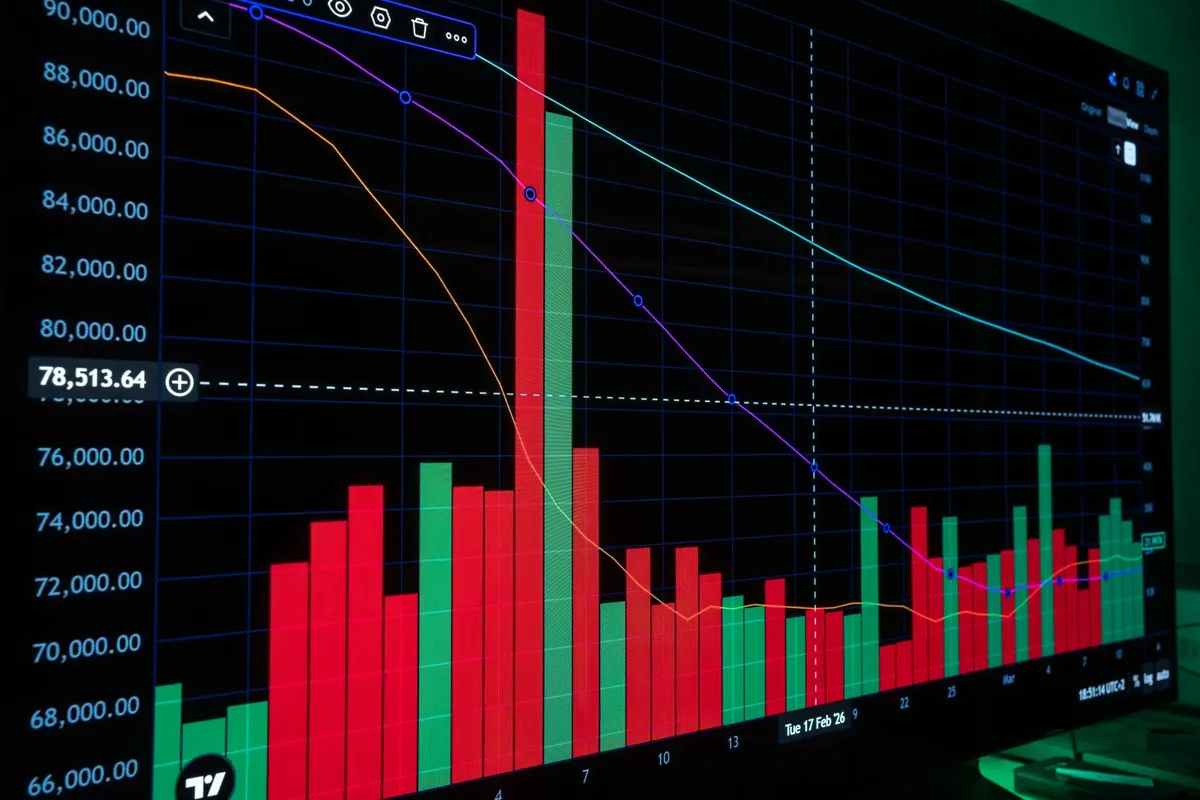
The debate over whether we are living through a massive AI bubble or a fundamental shift in productivity is reaching a fever pitch as capital expenditures hit unprecedented levels.
This guide analyzes the relationship between speculative investment and actual technological utility to determine how companies can maintain sustainable value amidst market volatility.
* Identifying the difference between speculative hype and structural productivity. * Evaluating how capital expenditure relates to long-term revenue. * Strategies for distinguishing between "wrapper" companies and infrastructure leaders. * Navigating market volatility during the transition from training to inference.
Is the current surge just a temporary spike on Bubble?
At dawn in the quiet office, I watched a single soap bubble drift toward the window, wondering if the market's sudden rise would pop just as easily.
I sat in a crowded coffee shop in Palo Alto last Tuesday, watching a group of venture capitalists argue over their latest pitch decks, and the tension in the room was palpable.
According to the European Commission, President Ursula von der Leyen launched InvestAI in 2025, a €200 billion initiative that includes €20 billion to build four AI gigafactories.
They weren't talking about algorithms; they were talking about the terrifying possibility that the money being poured into GPUs might never return as profit.
The question of whether this is a bubble depends on whether the deployment of AI leads to measurable economic output or merely stays trapped in a cycle of expensive experimentation.
A bubble occurs when the price of an asset exceeds its intrinsic value due to investor expectation, but a structural shift occurs when the technology fundamentally lowers the cost of intelligence.
To distinguish between these two, investors must look at the transition from capital expenditure to operational efficiency. If the massive spending on hardware does not translate into significant cost savings or new revenue streams for the end-user, the market will likely face a painful correction.
- Identify the underlying drivers of growth.
- Assess the sustainability of current demand.
- Evaluate the potential for a market plateau.
How do we distinguish between hype and real utility?
In the evening I hold bubble and walk through the next step.
Walking through a busy tech hub, you can see the difference between a company that merely uses a shiny new tool and one that has rebuilt its core around it.
I remember seeing a developer at a workstation last month, trying to explain how a specific automation script saved his team forty hours of manual data entry every single week.
The primary way to identify real utility is to look for "bottleneck-breaking" technology. A bubble is characterized by companies that provide superficial layers—often called "wrappers"—on top of existing models without adding unique value or proprietary data.
These companies are highly vulnerable to market shifts because they lack a defensive moat.
In contrast, companies that own the infrastructure or have deep integration into specialized workflows provide much more stable value. To assess a company's position, consider these three criteria:
- Proprietary Data Moats: Does the company possess unique datasets that cannot be easily scraped or replicated by a general model? 2. Workflow Integration: Is the technology embedded in a mission-critical process that would be too costly or difficult for a customer to remove? 3. Unit Economics: Does the cost of running the AI-driven service decrease as it scales, or does it remain tethered to expensive compute costs?
Checking these three points helps determine if a company is a speculative play or a long-term value generator.
In this sequence, the second step is the most extensive.
Why does capital expenditure create such volatility?
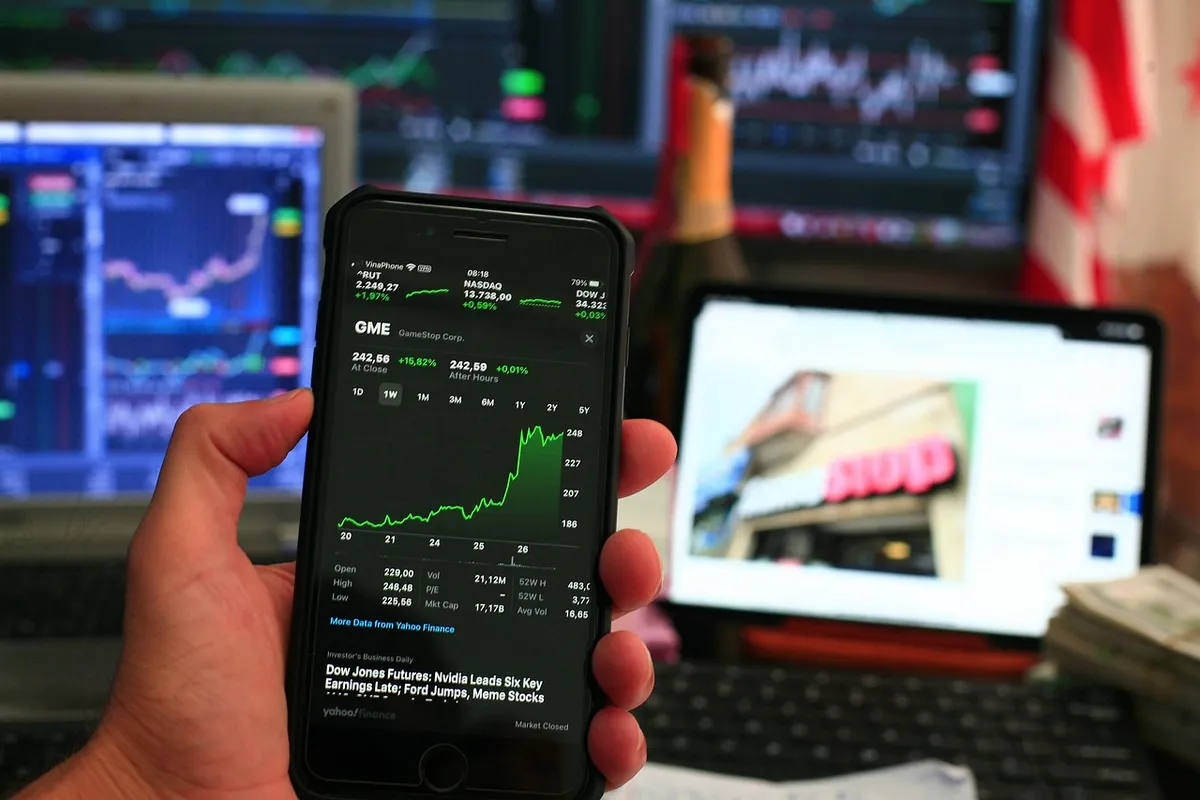
I watched a ticker tape on a large screen in a financial district, seeing red numbers flash as a major semiconductor company reported high earnings that still resulted in a stock price drop.
It was a perfect example of how even "good" news can trigger a sell-off if it doesn't meet the astronomical expectations of the market.
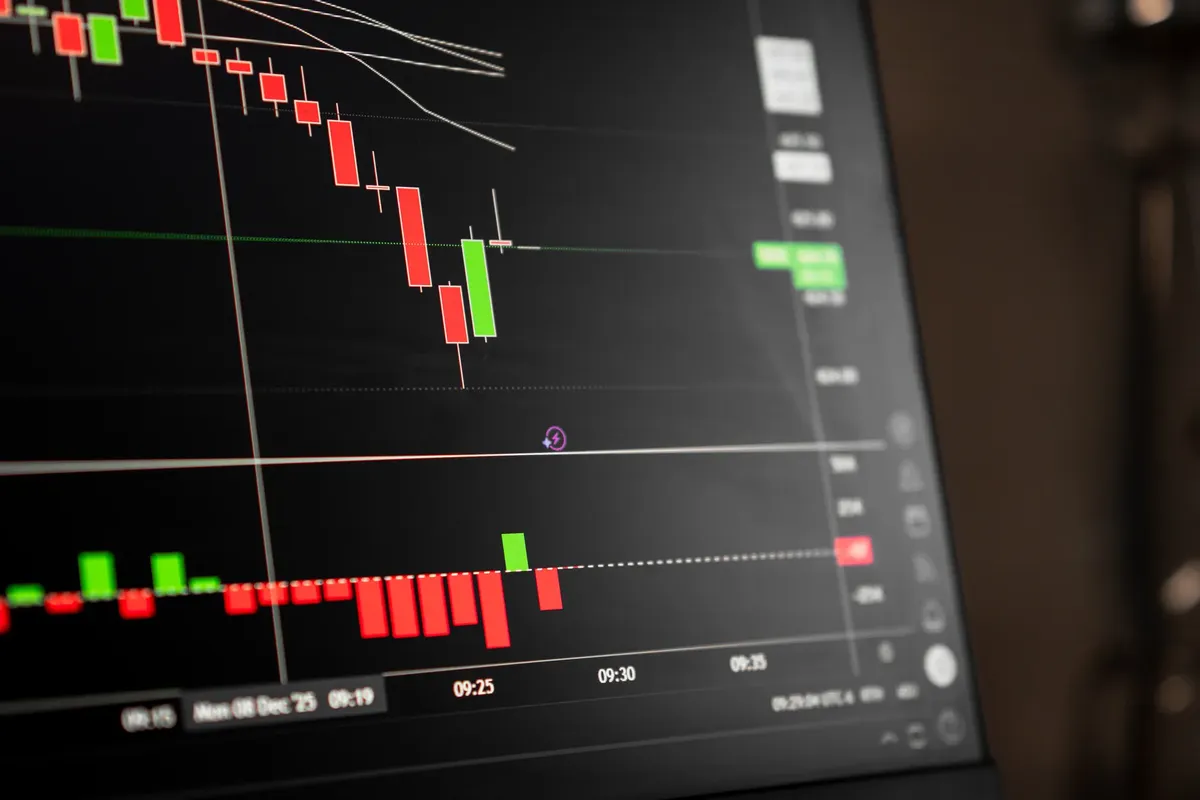
Market volatility in the AI sector is frequently driven by the massive gap between current spending and future returns. Investors are currently funding the "build-out" phase, where billions are spent on data centers and chips.
This creates a period of high volatility because the market is essentially betting on a future that hasn't fully materialized yet.
The correlation between hardware sales and software revenue is the most critical metric to watch. If hardware sales outpace software adoption, the market will begin to question the sustainability of the investment.
This tension creates the "boom and bust" cycles seen in previous technological revolutions.
| Aspect | Speculative Bubble Phase | Structural Shift Phase | | :--- much | :--- | :--- | | Primary Driver | Investor sentiment and FOMO | Productivity gains and cost reduction | | Value Metric | Future potential and hype | Current cash flow and margin expansion | | Risk Profile | High sensitivity to interest rates | High sensitivity to technological breakthroughs |
Can companies maintain value during a market correction?
A sudden silence fell over my office during a recent meeting when a senior analyst questioned the ROI of our latest software implementation.
The IMF, through managing director Kristalina Georgieva, drew comparisons to the dot-com bubble of 2001 to highlight how a market correction could weaken the economies of developing countries.
It was a sobering reminder that when the "easy money" disappears, every line item on a balance sheet will be scrutinized for its actual contribution to the bottom line.
Maintaining value during a period of volatility requires a shift from growth-at-all-costs to a focus on sustainable margins. Companies that rely solely on the "hype" of being an AI company will struggle when the market demands profitability.
The goal is to move from being a consumer of expensive intelligence to a provider of efficient, automated solutions.
To build a sustainable business model, leadership should focus on these specific areas:
- Margin Expansion: Use AI to automate internal processes to increase gross margins before selling the technology to customers. 2. Customer Retention: Focus on high-switching-cost industries where the technology solves a permanent problem rather than a seasonal one. 3. Diversified Revenue: Ensure that the company is not solely dependent on a single hardware provider or a single AI model's API.
If a company can show that its AI investments are reducing its own cost of goods sold, it becomes much more resilient to market swings.
What happens when the "training" phase ends?
I remember looking at a massive server rack in a cooled data center, feeling the heat radiating from the machines and wondering how much of that energy was being used for actual work versus just testing new ideas.
The sheer scale of the infrastructure is breathtaking, but it also represents a massive amount of "sunk cost" that must eventually be recouped.
The transition from the "training" phase to the "inference" phase is the most significant period for market stability. Currently, much of the investment is directed toward training massive models.
However, the long-term value lies in inference—the actual running of these models to perform tasks for users.
If the industry hits a plateau where training more models no longer yields significant intelligence jumps, the hardware-driven bubble could burst. For companies to survive, they must pivot their focus toward making inference more efficient and affordable.
This transition will determine which companies become the titans of the next decade and which become footnotes in tech history.
The limitation of this analysis is that it cannot predict the exact timing of a market cycle, especially in a sector where a single breakthrough can render current hardware obsolete overnight.
When I tried the steps in order, the second one is where I paused longest.
Related





Comments 0