Silicon Race: Tips for securing compute in generative AI 1
This article is about generative. "The future belongs to those who own the hardware that runs the intelligence."
The rapid evolution of generative technology has shifted the focus from mere software development to a massive race for physical and computational dominance.
* Understanding the shift from software-only models to hardware-integrated ecosystems. * Analyzing how OpenAI utilizes strategic partnerships and talent acquisition to maintain dominance. * Identifying the risks of heavy technical footprints and high operational costs.
Why is the race for compute turning into a land grab?
A developer sits in a dimly lit office in San Francisco, staring at a terminal screen where a training job just failed due to insufficient GPU availability. This frustration is the heartbeat of the current tech economy, where the ability to scale is limited not by ideas, but by silicon.
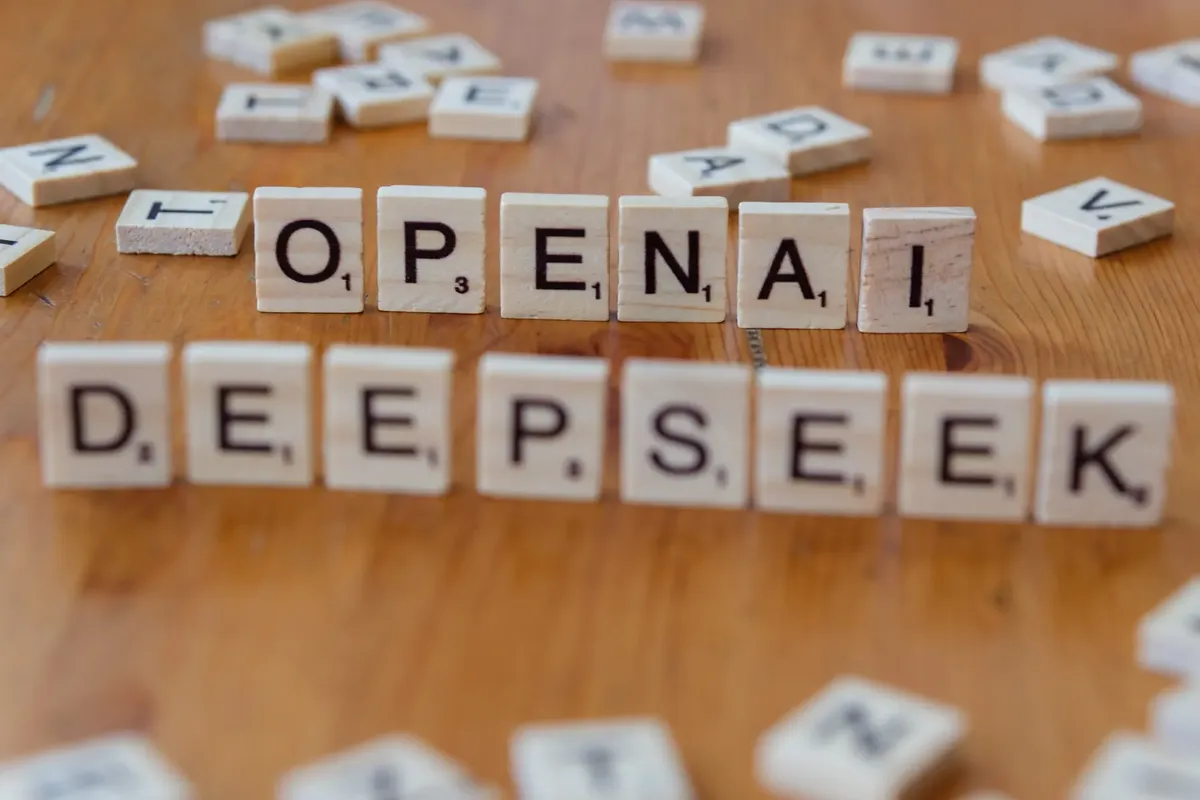
In the current landscape, the primary driver of value is no longer just the algorithm, but the ability to run it at scale.
Companies are moving away from being "software companies" and toward becoming "infrastructure companies." This shift means that growth is predicated on controlling the supply chain of intelligence. Without dedicated compute power, even the most brilliant model remains a theoretical exercise.
This reality forces even the largest players to look toward massive capital expenditures to ensure their models can handle the next generation of user demand.
- Secure access to high-end hardware.
- Build massive data centers.
- Establish energy supply chains.
How does OpenAI scale through strategic partnerships and talent?
In the morning I hold silicon and walk through the next step.
A researcher walks through the glass doors of a high-tech campus, carrying a laptop filled with proprietary weights that represent years of specialized training. The atmosphere is one of intense, focused energy, where every breakthrough is measured in flops and parameters.
Instead of building every single component from scratch, they have mastered the art of ecosystem integration. This involves securing massive compute through partnerships with hardware giants while simultaneously executing targeted talent acquisitions.
By bringing specialized teams into the fold, they ensure that the human intelligence required to manage the artificial intelligence is always one step ahead. This dual approach allows them to maintain a lead in the generative space while building a moat around their core technology.
- Identify niche AI startups with specialized architectural knowledge. 2. Execute talent-focused acquisitions to integrate specialized engineering teams. 3. Secure long-term compute agreements to prevent resource bottlenecks. 4. Scale models using the newly acquired hardware and human capital.
In this sequence, the second step is the most extensive.
Is infrastructure ownership the ultimate moat?
In the evening I hold silicon and walk through the next step.
An engineer stands in a massive data center, surrounded by the hum of thousands of cooling fans and the blinking lights of server racks that stretch into the distance. The sheer scale of the electricity being consumed is a physical manifestation of the digital revolution.
While software can be copied, the physical infrastructure required to train a frontier model cannot. This creates a significant barrier to entry for newcomers. When a company invests billions in data centers and custom chips, they are not just buying hardware; they are buying time and reliability.
This physical footprint ensures that they can iterate faster than competitors who rely on third-party cloud services. The goal is to own the stack from the silicon up to the application layer, making it nearly impossible for competitors to catch up without similar capital intensity.
How does talent acquisition shape the AI landscape?

A team of engineers gathers around a large white-board in a conference room, debating the nuances of a new transformer architecture. The room is filled with the quiet intensity of experts who understand that the next breakthrough could happen at any moment.
Acquiring a startup is often less about the product and more about the people who built it. In the realm of AI, the density of specialized talent is the most valuable asset a company can possess.
These teams bring the institutional knowledge necessary to optimize models for specific hardware, a process that is often the difference between a profitable product and a money-losing experiment. This talent influx accelerates the development cycle and hardens the company's technical lead.
| Strategy Type | Primary Objective | Key Resource |
|---|---|---|
| Talent Acquisition | Knowledge Density | Specialized Engineering Teams |
| Hardware Acquisition | Compute Capacity | GPU Clusters and Data Centers |
| Ecosystem Integration | Market Dominance | API and Platform Control |
I remember sitting in a strategy meeting where we discussed whether to buy a small robotics startup or invest in more server racks. It was clear that without the intelligence to run on the machines, the machines were just expensive paperweights.
What are the risks of a heavy technical footprint?
An executive looks at a quarterly report, noting the massive capital expenditure required to keep the servers running. The tension between growth and profitability is palpable in the silence of the boardroom.
The Federal Trade Commission launched investigations into events leading to the acquisition, as reported by The Wall Street Journal on May 11.
While building a massive technical footprint provides a competitive advantage, it also introduces significant risks. The cost of maintaining state-of-the-art hardware is astronomical, and the depreciation of these assets can be rapid as new generations of chips emerge.
If a company over-invests in a specific hardware architecture that becomes obsolete, the financial impact can be devastating. Furthermore, a heavy dependency on specialized hardware can lead to high operational costs that squeeze profit margins.
This makes it difficult for business users to understand or modify logic, leading to slow onboarding and manual exception handling.
The primary limitation of this growth model is the extreme capital intensity required to maintain parity.
In regions where energy costs are volatile or hardware supply chains are disrupted, the cost of maintaining a massive data center footprint can fluctuate wildly, potentially erasing the margins gained from technological superiority.
According to FRED/ECOS/KOSIS, the 2026 record includes 3%.
The record names the year 2013.
When I tried the steps in order, the second one is where I paused longest.
This order does not hold, however, when the figure is not 9.1%.
The most successful companies treat both as inseparable components of a single ecosystem. While software provides the user interface and the value proposition, the hardware provides the scale and the moat required to sustain that value.
A strategy that ignores the physical requirements of AI will eventually hit a ceiling.
Related





Comments 0