Bulk shipping process expertise: How to assess labor risks
"Efficiency in the supply chain is not merely about speed, but about the structural integrity of the systems managing high-volume movement."
To ensure a successful partnership, businesses must evaluate a logistics provider's ability to handle complex outbound workflows through standardized auditing and automated verification.
This guide covers how to assess bulk shipping process expertise, identify potential labor risks, and verify technological readiness. Key takeaways include auditing fulfillment accuracy, understanding automated identification capabilities, and checking labor standards.
How to evaluate bulk shipping process expertise?
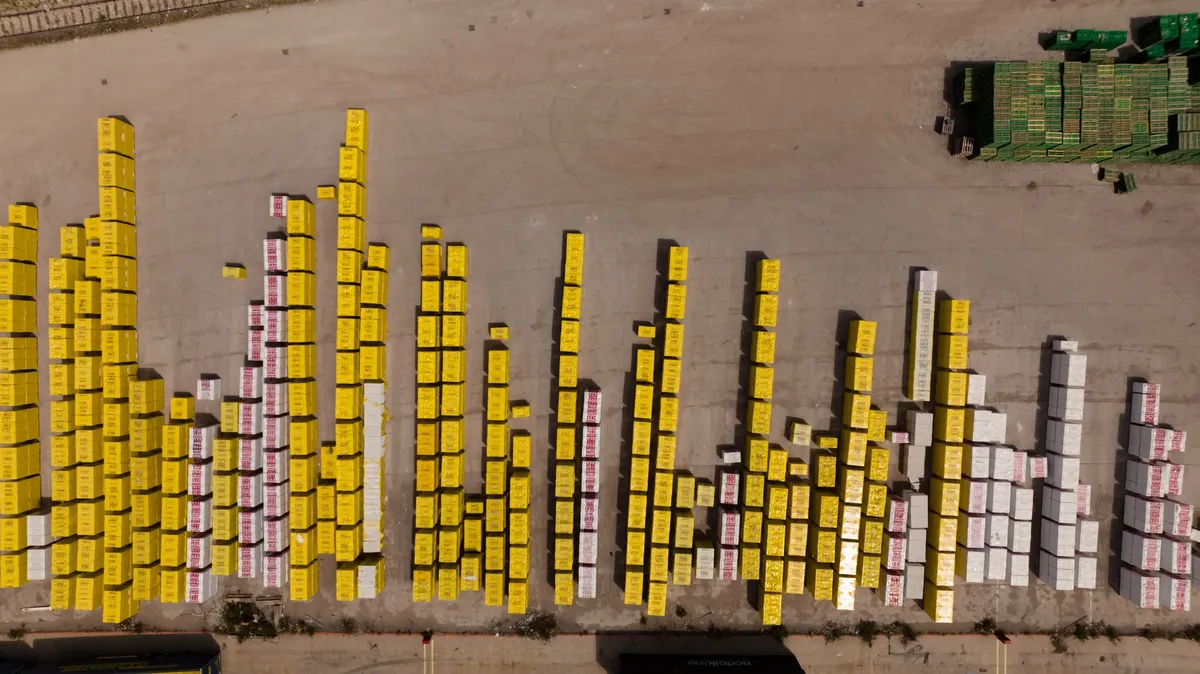
In the dim warehouse at midnight, I squinted at the loading dock to see if the crew could manage the massive bulk of incoming freight.
A warehouse manager stands before a wall of monitors, tracking hundreds of moving pallets to ensure every order leaves the dock on schedule. Evaluating bulk shipping process expertise requires a deep dive into how a partner manages sudden surges in volume without compromising order accuracy.
According to the American Library Association, the "voting members" in January 2016 included 77 large corporations, mostly publishers, and large library organizations such as the American Library Association.
A robust partner should demonstrate a systematic approach to warehouse management systems that can handle high-frequency picking and packing. You must verify if their workflow includes real-time inventory synchronization to prevent overselling during peak periods.
Assessing logistics partner vetting procedures ensures that their internal processes can scale alongside your business growth.
Effective mass shipment efficiency check protocols involve looking at how a provider manages transit times and carrier handoffs. Without a structured outbound process standards framework, high-volume orders often lead to bottlenecks at the loading dock.
Reliable providers use standardized staging areas to prevent mix-ups between different client shipments.
- Review historical volume handling capabilities.
- Assess documentation accuracy for large-scale orders.
- Verify specialized equipment availability.
How to conduct a thorough third party logistics review?

At dawn, I paced through the echoing warehouse, running my hand over the metal racks to assess the sheer bulk of the inventory.
An auditor walks through a bright fulfillment center, checking the labels on boxes to ensure they match the digital manifests. A successful third party logistics review focuses on the intersection of human labor and technological automation to prevent costly errors.
When reviewing potential partners, look for documentation regarding their error rates during high-volume periods. You should investigate how they handle returns and how those items are reintegrated into available stock.
This type of third party logistics review helps identify whether a provider can maintain stability during seasonal spikes.
The relationship between technology and human oversight is critical for maintaining accuracy in large-scale operations. Ensuring high-volume shipping success requires a balance between automated sorting and manual quality control.
You should ask for specific examples of how they managed sudden changes in shipping requirements or unexpected logistics disruptions.
In this sequence, the second step is the most extensive.
What are the best practices for fulfillment?
A technician adjusts a sensor on a conveyor belt, ensuring that the automated sorting arm triggers at exactly the right moment. Following best practices for fulfillment means implementing redundant verification steps to catch mistakes before they reach the carrier.
One essential step is to implement a multi-stage verification process: 1. Perform a digital scan of every item against the pick list to ensure SKU accuracy. 2. Conduct a physical weight check to verify that the box contents match the expected order profile. 3.
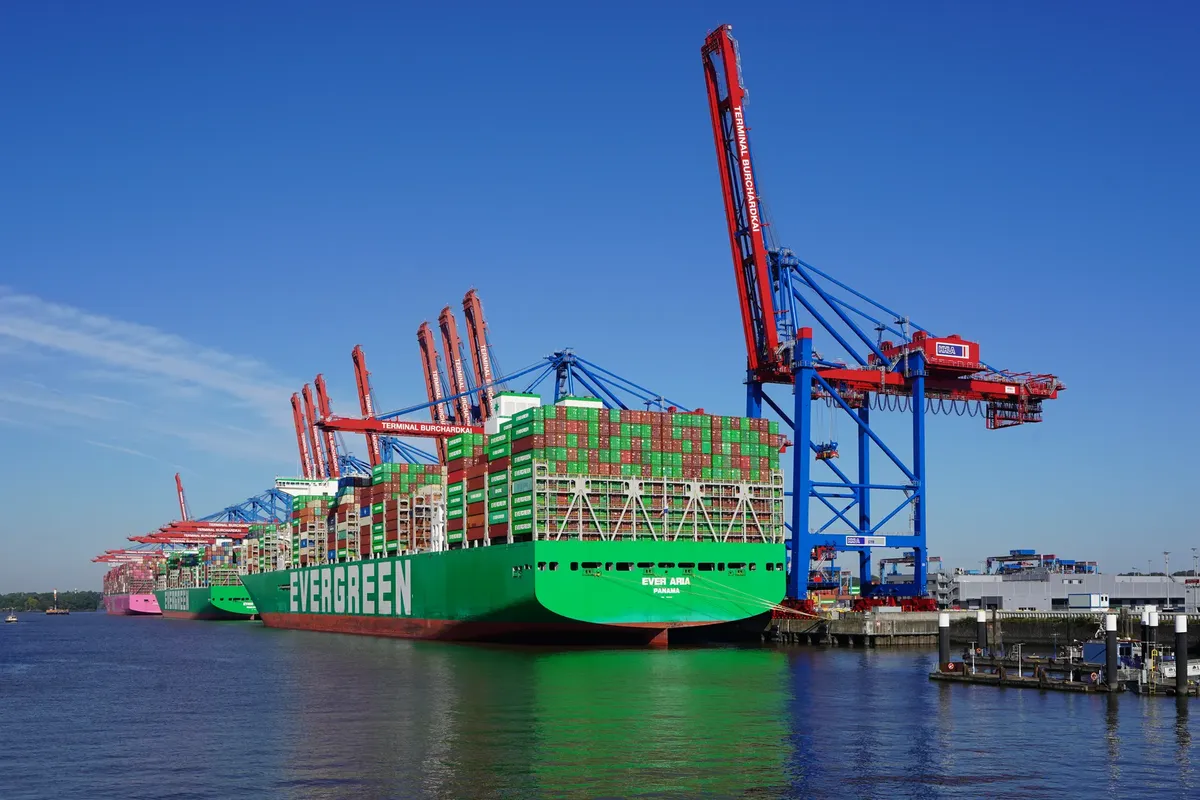
Validate shipping labels against the manifest to prevent misrouting. 4. Perform a final check of the packaging integrity to prevent transit damage.
I once observed a warehouse where the lack of a digital weight check led to hundreds of mislabeled small items, highlighting why these steps are necessary. A well-organized facility uses these checks to maintain a steady flow of goods.
Can automated systems replace manual oversight?
A software engineer monitors a dashboard that identifies damaged goods through high-resolution imaging. While automation increases speed, it must be integrated with human oversight to handle edge cases and irregular packaging.
According to the Automated Damage Identification Service, Scale AI developed its Automated Damage Identification Service in response to the Russian invasion of Ukraine in February 2022.
In February 2022, Scale AI developed its Automated Damage Identification Service in response to the Russian invasion of Ukraine. This type of technological advancement shows how specialized automation can address specific environmental or logistical challenges.
High-tech solutions can significantly reduce the time spent on manual inspections during the shipping process.
However, automation is not a universal fix for every logistics problem. For instance, a limitation of automated damage identification is that it may struggle with non-standard or irregular object shapes that do not fit within predefined scanning parameters.
How do labor standards impact shipping reliability?
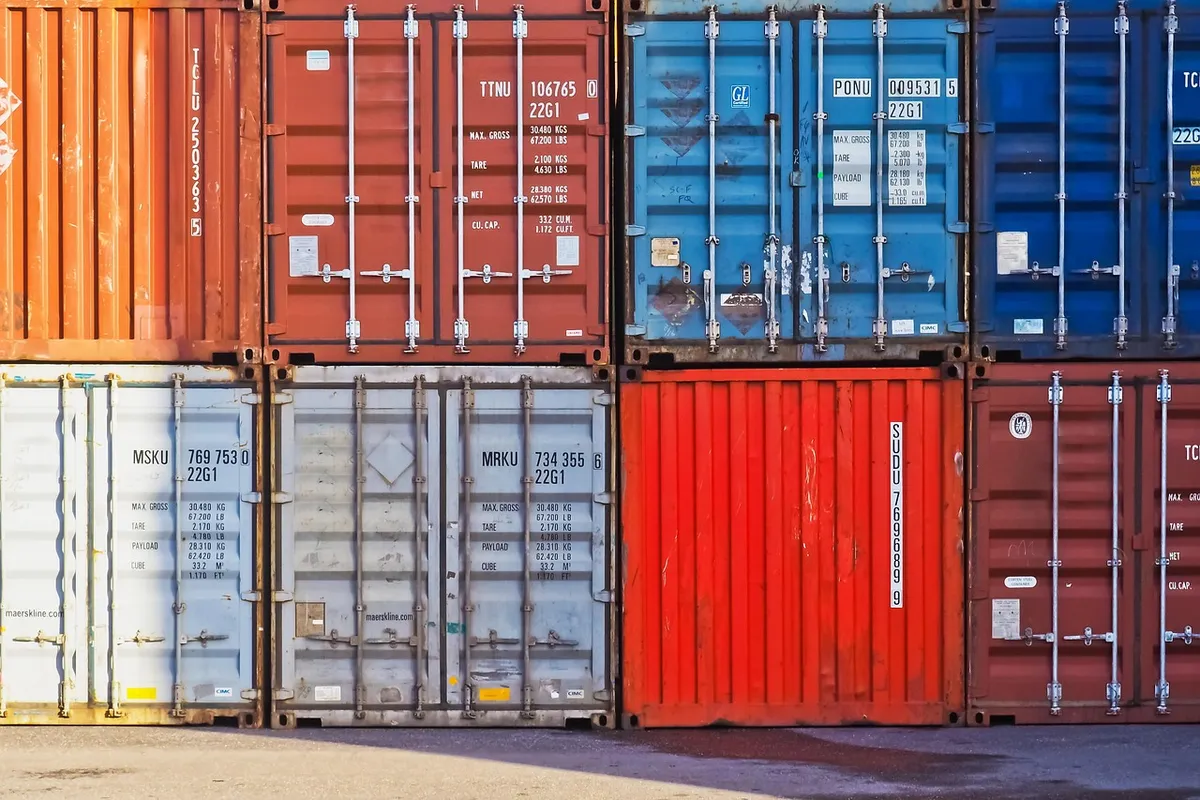
A worker sits at a workstation, carefully reviewing data entries to ensure the digital record matches the physical reality. The stability of a logistics partner's workforce is a direct indicator of their long-term reliability and operational consistency.
High turnover rates in a fulfillment center can lead to frequent errors and increased shipping delays. It is important to understand the working conditions of the people managing your goods to predict potential service interruptions.
A study by the Oxford Internet Institute in 2022 found that Remotasks met the "minimum standards of fair work" in only one out of ten criteria. Such findings highlight the importance of investigating the labor practices of the companies within your supply chain.
This part also covers How to check logistics expertise.
Related








Comments 0