AI firm mass shipment logistics why it is essential
"Efficiency in mass distribution is the backbone of industrial growth, where even small adjustments in processing can lead to significant shifts in output and reliability."
An AI firm mass shipment logistics strategy requires precise process optimization to handle high-volume demands while maintaining quality and speed. This guide explores why improving logistics is essential for scaling operations and provides a framework for managing large-scale product distribution.

Key takeaways include understanding production volume, grade management, and the necessity of streamlined workflows to maintain market competitiveness.
Why is an AI firm mass shipment logistics strategy essential for scaling?
At dawn in the bustling warehouse, the manager gripped the desk with a firm hand as the hum of machinery vibrated through the floor.
A manager stands before a wall of monitors, watching real-time data flow through a busy warehouse. Implementing an AI firm mass shipment logistics strategy ensures that as production numbers rise, the infrastructure can handle the sudden influx without bottlenecking.
Scaling operations requires a shift from manual oversight to automated, data-driven workflows to prevent errors during high-volume periods. Without a clear strategy, the transition from small batches to large-scale output often leads to inventory mismanagement and shipping delays.
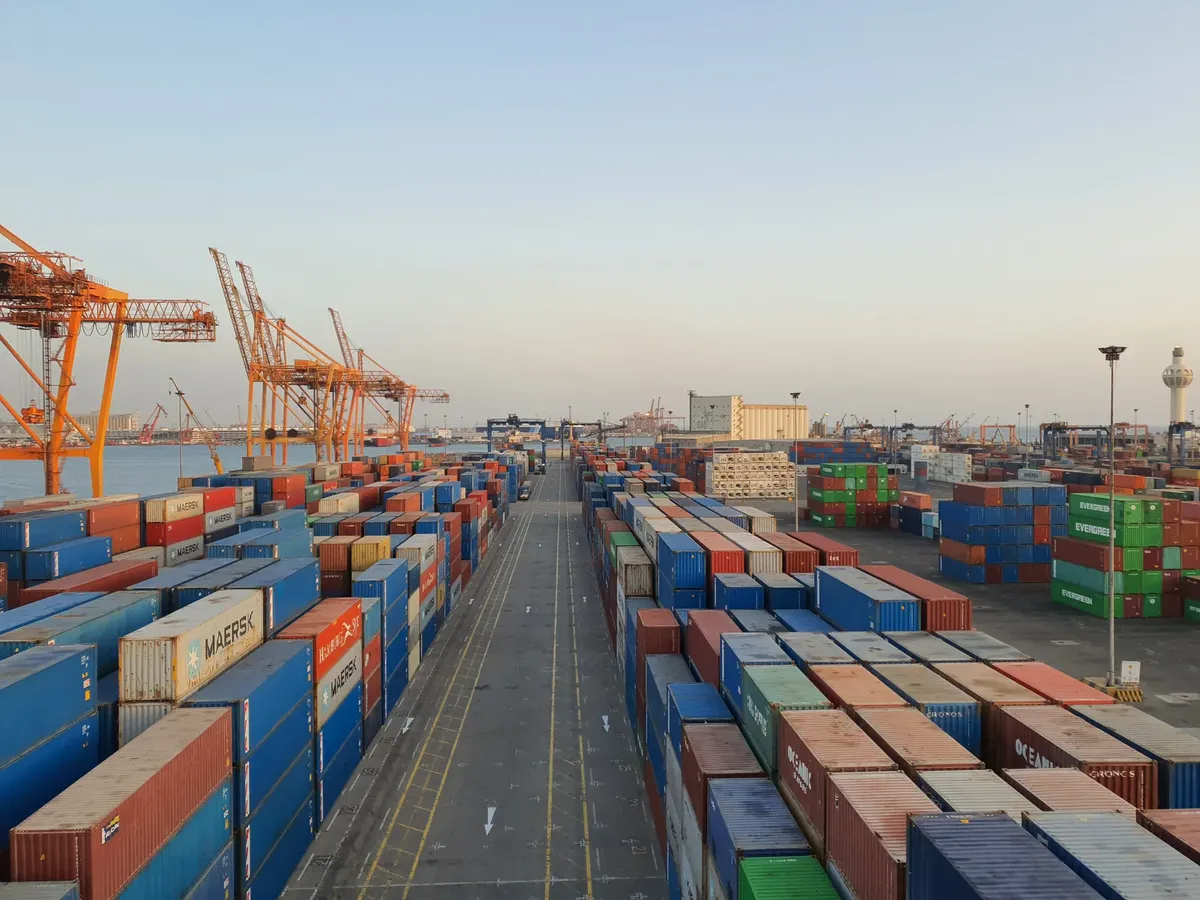
An AI large volume shipping plan helps companies prepare for these spikes by aligning warehouse capacity with projected demand.
How can we improve logistics for AI firms during peak periods?
Warehouse workers move quickly between high-density shelving units to fulfill urgent orders. Improving logistics for AI firms means identifying specific friction points in the supply chain, such as sorting errors or slow packaging lines, and addressing them through technological integration.
A successful approach involves analyzing the current throughput and identifying where delays occur most frequently. By applying an AI company shipping process, teams can automate repetitive tasks like labeling or sorting, which frees up human capital for more complex decision-making.
This proactive adjustment prevents the chaos that typically accompanies rapid growth.
What are the steps for a mass dispatch strategy AI implementation?

A technician adjusts a robotic arm that is sorting components into specialized containers. Developing a mass dispatch strategy AI involves several critical phases to ensure the system remains stable under pressure.
- Audit current inventory levels and turnover rates to establish a baseline for automation. 2. Integrate real-time tracking software that communicates directly with the dispatching hardware. 3. Perform regular stress tests on the logistics software to simulate peak demand scenarios.
After completing these steps, a final check of the digital-to-physical handoff ensures that the data in the system matches the physical goods being shipped.
I once observed a similar transition where a slight delay in data sync caused a week of shipping errors, highlighting the need for constant verification.
How does scaling AI product distribution affect quality control?
A quality inspector examines a small batch of components under a bright LED lamp. Scaling AI product distribution often puts immense pressure on quality control, as the speed of movement can lead to oversight.
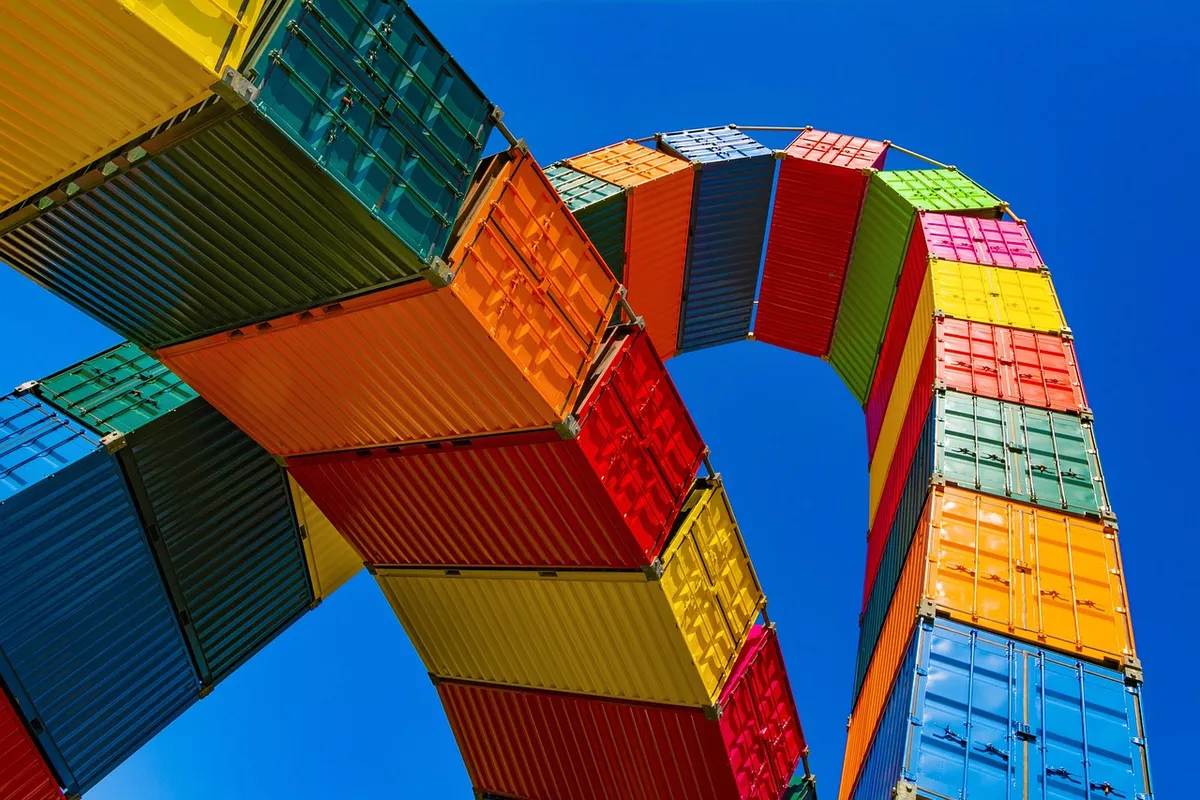
When volume increases, the risk of shipping incorrect or damaged goods rises sharply. An AI logistics process optimization plan must include automated inspection points to maintain consistency.
By embedding quality checks directly into the shipping line, companies can maintain high standards even when processing thousands of units.
What are the key elements of streamlining AI fulfillment?
A forklift driver navigates a wide aisle, carefully placing a pallet onto a transport vehicle. Streamlining AI fulfillment requires a layout that minimizes travel time and maximizes the density of the storage area.
Effective fulfillment strategies focus on organized zoning, where high-frequency items are placed in easily accessible locations. This reduces the time spent on retrieval and increases the overall speed of the shipping cycle.

An AI company shipping process that prioritizes these movement patterns will naturally scale more effectively.
Comparison of Production and Distribution Variables
| Variable Type | Focus Area | Primary Objective |
|---|---|---|
| Throughput | Volume Management | Maximizing output per hour |
| Accuracy | Error Reduction | Minimizing mispicks and returns |
The table above illustrates how different variables must be balanced to maintain a stable shipping environment.
- Why is an AI firm mass shipment logistics strategy essential for scaling?
- How can we improve logistics for AI firms during peak periods?
- What are the steps for a mass dispatch strategy AI implementation?
Related








Comments 0