AI market volatility risks: Why assess growth swings
"The market correction could stunt global growth and weaken the economies of developing countries."
The rapid growth of AI-driven enterprises has introduced significant market volatility and valuation risks that threaten global economic stability.
Investors must navigate sudden price swings, assess high valuation multiples, and prepare for potential corrections that could mirror historical bubbles.
Key Takeaways: 1. Massive single-day market value drops highlight extreme tech stock volatility AI. * Historical comparisons suggest current AI investment levels significantly exceed previous industrial booms. * High valuation-to-earnings ratios indicate potential AI valuation bubble risk.
How do we manage AI market volatility risks?
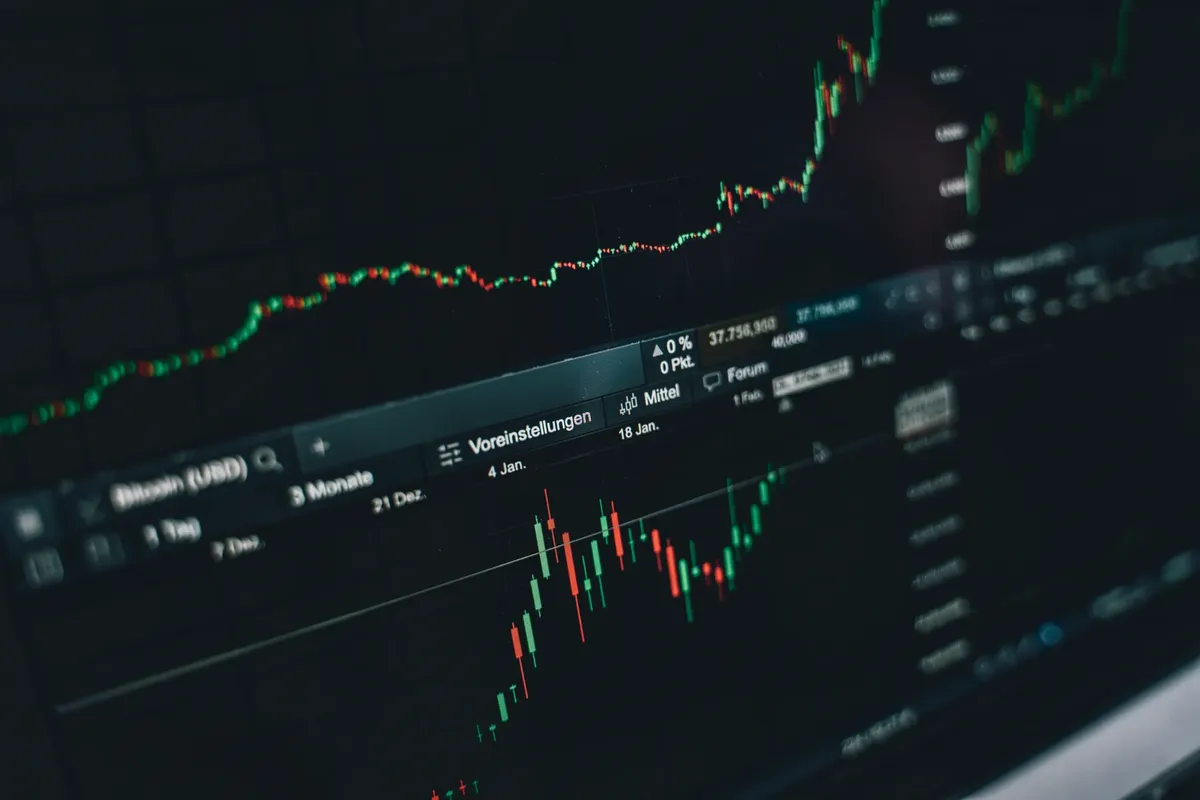
A trader watches a screen as a single ticker symbol flashes red, wiping out hundreds of billions in value in a matter of hours. Managing AI market volatility risks requires understanding that extreme price swings are often driven by rapid shifts in sentiment regarding future growth.
In one instance, Nvidia's stock price dropped 17%, losing approximately US$600 billion in market value in a single day, though it recovered 8.8% the following day. This level of fluctuation demonstrates how sensitive the sector is to news and investor perception.
Such volatility can catch unprepared investors off guard, making it essential to recognize that rapid gains often lead to sharp, sudden reversals.
Is an AI valuation bubble about to burst?
An analyst compares current market multiples to historical data, noting the steepness of the growth curve. Identifying an AI valuation bubble risk involves examining whether current stock prices are supported by sustainable earnings or merely by speculative fervor.
According to Wikipedia, the company's value made up roughly 7.3% of the S&P 500, which hit an all-time high. This concentration shows how much of the broader market's health is tied to a few specific entities.
If these leaders face a downturn, the entire index may suffer, reflecting a significant AI growth market swings scenario.
How do we assess AI growth market swings?
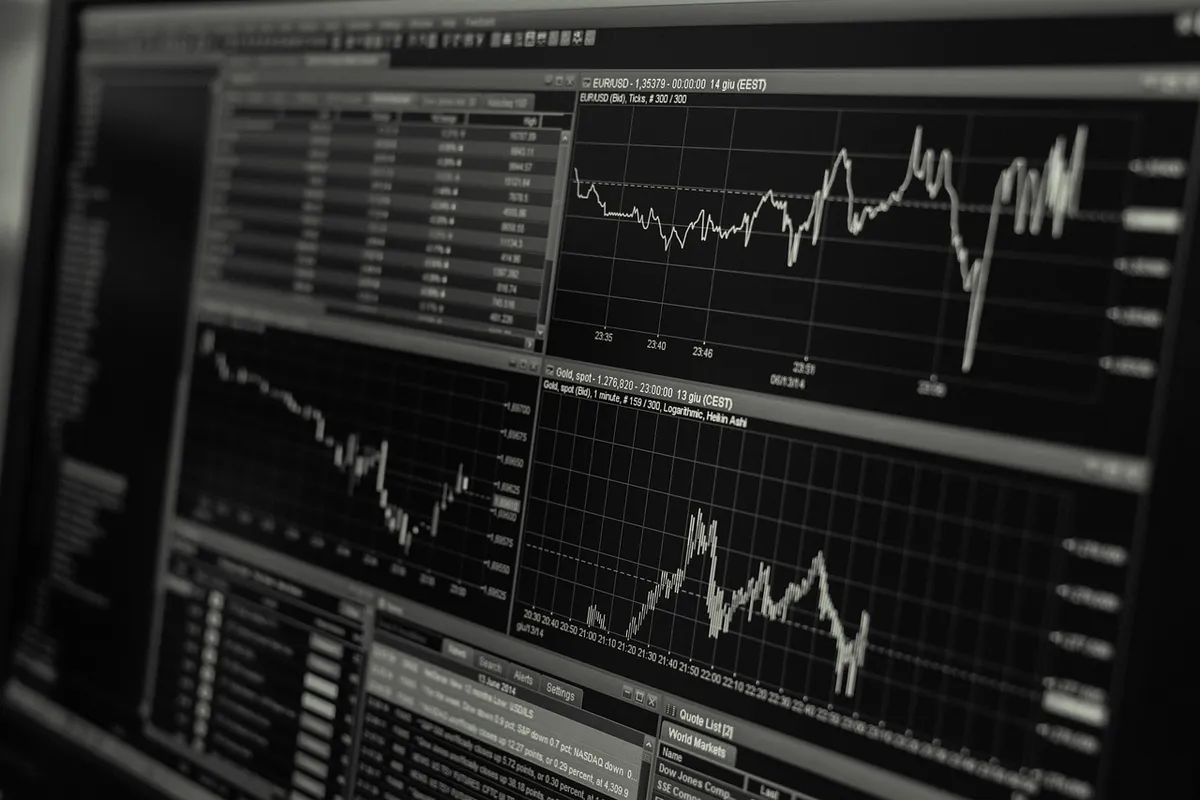
An investor reviews a portfolio, noting that gains from one sector are masking weaknesses in another. Assessing AI growth market swings requires looking at the broader economic context to see if tech-driven gains are isolated or systemic.
In 2025, AI-related enterprises accounted for roughly 80% of gains in the American stock market. This heavy concentration means that any correction in the AI sector would have a disproportionate impact on total market performance.
Navigating AI investment uncertainty requires acknowledging that such lopsided growth can lead to instability if the primary driver fails to meet expectations.
What are the biggest risks to my AI investments?
A researcher sits in a quiet office, comparing the massive scale of current infrastructure spending to the railroads of the 19th century. Understanding AI investment risk factors involves measuring the sheer scale of capital deployment against historical economic benchmarks.
AI investment was estimated to comprise 3.6% of gross domestic product, compared to 2.2% for the railroad projects of the 1800s, 1.1% for the interstate highway system of the 1950s, and 1.1% for the Internet build-out of 1996 through 2003.
This massive scale suggests that the economic stakes are higher than any previous technological shift.
Can we compare current trends to the dot-com era?
An economist draws a line on a chart, connecting the peak of the 2000s to the current trajectory of tech stocks. Assessing AI valuation risks often involves looking at past bubbles to identify similar patterns of overextension.
In October 2025, Julien Garran, a researcher and partner at MacroStrategy Partnership, argued that the AI boom represented an unusually large and dangerous bubble, estimating it to be 17 times larger than the dot-com bubble and four than the 2008 real-estate bubble.
This comparison highlights the potential for unprecedented market shifts.
| Historical Era | GDP Percentage |
|---|---|
| 1800s Railroads | 2.2% |
| 1950s Interstate | 1.1% |
| 1996-2003 Internet | 1.1% |
I noted how the 3.6% GDP figure for AI investment dwarfs these historical benchmarks during my review of the data.
What are the limitations of these economic comparisons?
A student reads a textbook, questioning if modern digital assets can truly be compared to physical infrastructure like railroads. A limitation exists because the intangible nature of software and AI models differs from the physical assets of previous industrial revolutions.
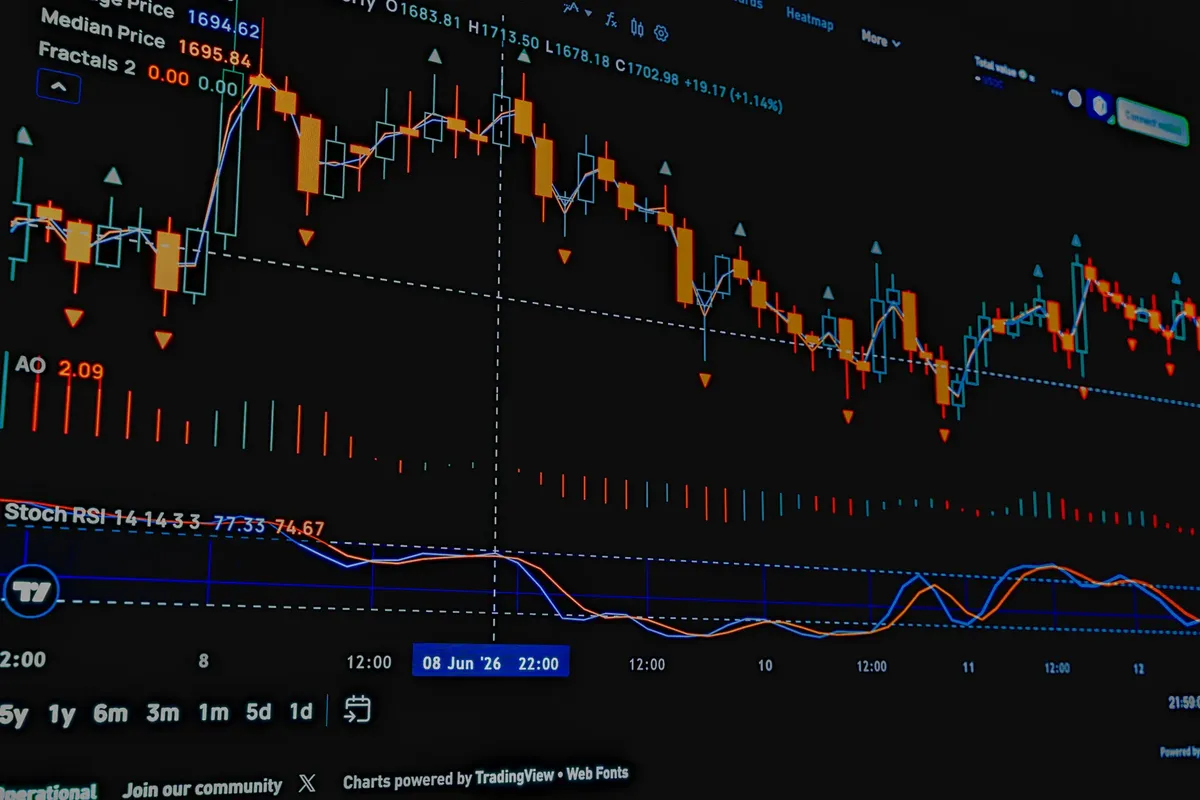
According to ECOS, the real GDP growth rate was 1% in 2026Q3.
One limitation is that the scale of AI investment, at 3.6% of gross domestic product, is being measured against different types of economic drivers than the 1.1% seen during the Internet build-out.
- How do we manage AI market volatility risks?
- Is an AI valuation bubble about to burst?
- How do we assess AI growth market swings?
This part also covers Managing AI market fluctuations.
Managing AI market fluctuations
Related
- AI valuation strategy: Guide to high growth company deals
- UK AI Market Growth Analysis: Global AI Market Ranking Guide
What cautions should investors heed regarding the market?
Investors should recognize that rapid gains often lead to sharp, sudden reversals when observing the market. A cautious approach is warranted because the sector's sensitivity to news and investor perception drives extreme price swings. Recognizing these patterns is crucial to mitigating potential losses during a market correction.
How does concentration affect the market's stability?
The concentration of value within a few specific entities demonstrates how much the broader market's health relies on those few leaders. Should these leading companies experience a downturn, the entire index might suffer, reflecting a significant market swings scenario. This concentration poses a specific risk to overall market stability.
The comparison between current AI investment and past infrastructure spending shows the sheer scale of capital deployment. This massive scale suggests that the economic stakes associated with any future market correction are higher than those seen during earlier technological shifts.





Comments 0