AI mass shipment improvement: Guide to cloud computing
"The scale of modern logistics requires a seamless integration of digital infrastructure and physical distribution to maintain momentum in a global marketplace."
Effective AI mass shipment improvement requires a dual focus on scalable cloud computing and specialized maritime or last-mile logistics management. Companies can optimize high-volume output tech by leveraging elastic compute resources and automated carrier networks to handle fluctuating demand.

Key takeaways include utilizing cloud-based storage for data-driven shipping strategy, integrating specialized carrier services for international transit, and optimizing last-mile delivery through diverse carrier mixes.
How can cloud infrastructure support AI mass shipment improvement?
A developer adjusts a server setting in a quiet data center to ensure high-speed data processing. To achieve an AI mass shipment improvement, companies must utilize scalable cloud services that allow for the rental of computing power and data storage.
According to Wikipedia: Amazon (company), AWS shifted toward providing enterprise services with Simple Storage Service (S3) in 2006 and Elastic Compute Cloud (EC2) in 2008, allowing companies to rent data storage and computing power.
This infrastructure provides the backbone for data-driven shipping strategy. By using elastic compute resources, an AI-driven system can process massive datasets related to inventory and transit times without hardware bottlenecks.
This level of computing power is essential for managing the complex algorithms that predict shipping delays or optimize routes in real-time.
The flexibility of cloud-based tools ensures that as shipment volumes grow, the digital capacity expands accordingly. This prevents system crashes during peak seasons when data processing needs spike. Developing a robust digital foundation is the first step in scaling any high-volume output tech.
- Establish scalable data pipelines to ingest real-time shipment telemetry.
- Deploy machine learning models on distributed cloud nodes to optimize routing.
- Integrate automated feedback loops to refine predictive accuracy.
What role does maritime management play in bulk dispatch process fix?

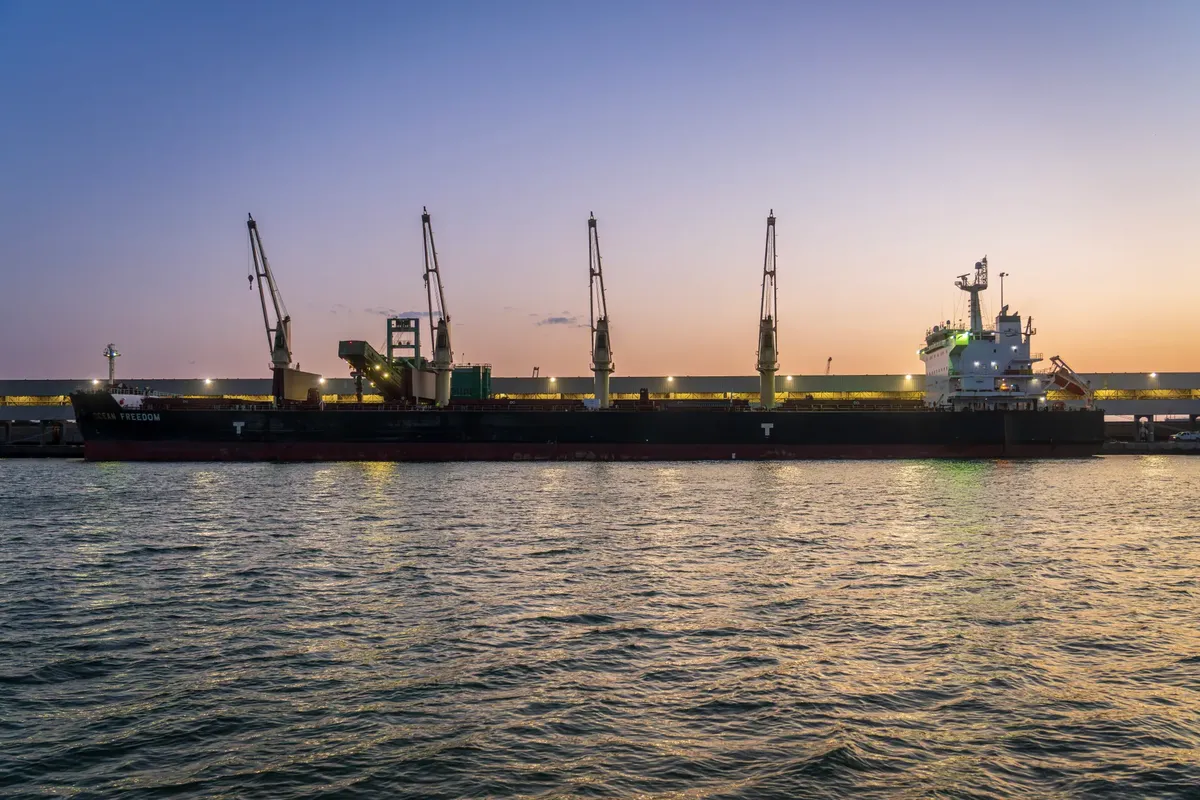
Standing on the windy pier at dusk, the manager stares at the approaching vessel to coordinate the mass movement of cargo.
A logistics manager reviews a digital manifest for a container ship arriving at a busy port. A bulk dispatch process fix often involves utilizing specialized carrier services to manage complex international shipping routes. According to Wikipedia: Amazon (company), Amazon Maritime, Inc.
is a non-vessel-owning common carrier (NVOCC), which enables the company to manage its shipments from China ocean shipments.
This specialized management allows for better control over global supply chains. By acting as an NVOCC, a company can consolidate shipments and manage ocean freight more effectively, which is a critical component of AI logistics efficiency.
Managing these large-scale movements requires precise coordination between digital planning and physical vessel availability.
Effective maritime logistics integration ensures that goods move smoothly from manufacturing hubs to international distribution centers. This connectivity is vital for maintaining a steady flow of products across oceans.
Without this oversight, the digital intelligence of an AI system cannot be fully realized in the physical world.
In this sequence, the second step is the most extensive.
How can companies manage high volume output tech through diverse carrier networks?
Standing on the windy pier at dusk, I watch the heavy ships arrive while calculating the mass of the outgoing cargo.

A delivery driver scans a package while standing on a suburban doorstep during a bright afternoon. Managing high volume output tech involves balancing various delivery methods to reach different geographic regions.
For instance, Rakuten Intelligence estimated that in 2020 in the US, the proportion of last-mile deliveries by Amazon's directly contracted services was 56% (mostly in urban areas), 30% by USPS (mostly in rural areas), and 14% by UPS.
Diversifying the carrier mix allows for better coverage and cost management. In urban environments, direct contracts might offer speed, while in rural areas, postal services provide necessary reach. This variety is essential for an AI-driven system to optimize the final stage of the supply chain.
Integrating these different channels into a single AI-managed dashboard allows for real-time adjustments. If one carrier faces a delay, the system can re-route or re-assign tasks to maintain delivery speed. This adaptability is a core requirement for any modern shipping optimization.
What are the steps to implement an AI-driven logistics strategy?
A technician monitors a dashboard of moving icons representing various shipment routes. To implement a successful strategy, a company should follow these structured steps:
- Establish a scalable cloud foundation to host all logistics algorithms and data storage. 2. Integrate specialized carrier management systems to handle maritime and international freight. 3. Develop a multi-channel last-mile delivery network to ensure coverage across diverse regions.
After these steps, perform a final check to ensure the digital infrastructure can handle the physical volume of goods. This ensures that the software does not become a bottleneck for the physical movement of products.
I observed that ensuring the cloud capacity matches the physical shipment volume is essential for preventing system lag during peak periods. By aligning these two worlds, the logistics flow remains uninterrupted.
A limitation of this approach is that it requires significant initial investment in digital infrastructure and carrier partnerships to be effective.
The same subject is also called AI shipping optimization.
This part also covers Inventory matching automation.
Data driven shipping strategy
Related








Comments 0