AI firm public contract liability: Guide to risk management
"The intersection of automated intelligence and public infrastructure demands a rigorous framework for accountability to prevent legal ambiguity."
Managing AI firm public contract liability requires a proactive approach to risk, especially as automation enters the sphere of public works.
This guide explores how firms can structure their operations to mitigate risks, handle profit-based equity requirements, and maintain compliance during contract expansion.
Key takeaways include understanding liability structures, managing profit allocation for capital, and recognizing the limitations of current legal frameworks.
How can an AI firm public contract liability be managed during expansion?

At dusk in the quiet office, the manager grips a firm pen against the desk while scanning the expanding contract folder.
A project manager reviews a complex contract folder on a mahogany desk, checking the legal clauses for automated decision-making. Managing AI firm public contract liability involves establishing clear boundaries between software performance and human oversight to prevent disputes.
Effective management requires defining the scope of automated tasks versus manual verification. When firms expand into public works, they must ensure that their software's operational limits are clearly documented in the contract.
This prevents the firm from being held liable for unpredictable environmental variables.
Risk management for AI in government involves documenting every decision-making parameter. By setting these parameters, companies can distinguish between a system error and an external factor. This clarity is essential when dealing with public sector audits.
- Conduct a thorough audit of existing public procurement terms to identify latent risks.
- Implement scalable compliance protocols that align with evolving government regulations.
- Establish a dedicated legal oversight team to monitor jurisdictional changes during market entry.
How can I manage AI contract liability?
An engineer adjusts a slider on a tablet, simulating how a new algorithm handles real-world data. Managing AI contract liability requires a shift from reactive troubleshooting to proactive legal drafting.
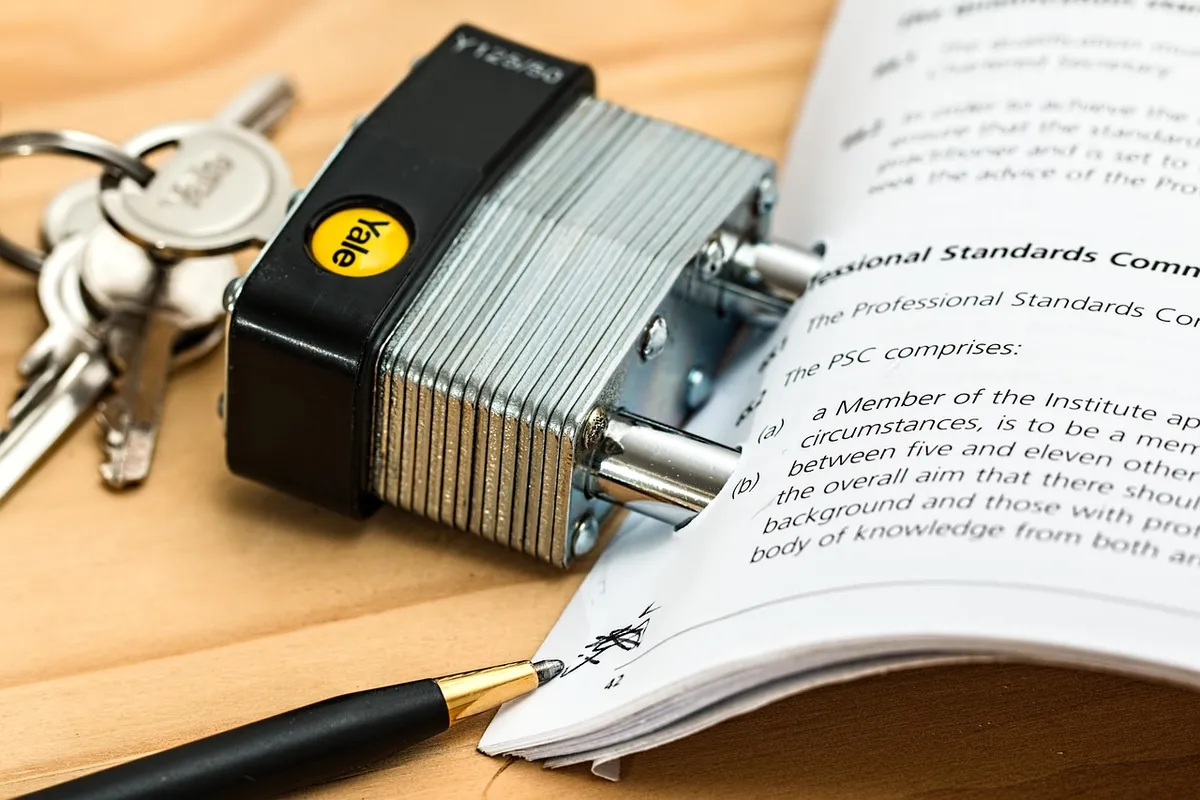
One primary strategy is the implementation of strict operational boundaries. Firms should define the exact conditions under which an AI system is expected to function. This prevents the expansion of liability into scenarios the technology was not designed to handle.
AI legal compliance in public bids often necessitates a tiered responsibility model. In this model, the firm takes responsibility for the logic of the system, while the client manages the physical implementation. Maintaining this distinction helps mitigate risks during the deployment phase.
In this sequence, the second step is the most comprehensive.
How do profit allocation and equity requirements affect legal standing?
At midnight in the silent boardroom, the partner rests a firm hand on the cold table while staring at the equity reports.
A legal consultant examines a balance sheet, noting the required percentages for capital accumulation. AI firm procurement risk can be influenced by how a company structures its internal capital and profit distribution.
In certain legal structures, a company must set aside a specific portion of its earnings to meet capital requirements. For example, a simple Ltd. must set aside 25% of annual profit to collect enough equity capital to become a d.o.o. This ensures the firm has a stable financial foundation.
Similarly, some entities must use 25% of profit to collect enough equity capital to become an ApS. Maintaining these capital reserves is vital for demonstrating financial responsibility during public bidding processes.

A strong capital position helps mitigate liability during long-term government contracts.
How do entity types affect my liability management?
A lawyer compares different corporate structures in a thick legal manual. AI-powered inventory management with MDM for improved efficiency can be a tool for tracking resources, but the legal entity type dictates the ultimate liability.
According to Vereniging, a coöperatie is a co-operative society, an onderlinge waarborgmaatschappij is a mutual insurance company, and a vereniging is an association.
According to Federação de Cooperativas" or "Confederação de, the name of the entity should include the expression "Cooperativa" or "União de Cooperativas" or "Federação de Cooperativas" or "Confederação de Cooperativas".
Different legal forms offer varying levels of protection. For instance, a CRL (Cooperativa de Responsabilidade Limitada) functions as a limited liability cooperative. Choosing the right structure is the first step in managing the risks associated with public contracts.
The name of the entity may also dictate its legal standing, such as when an entity must include expressions like "Cooperativa" or "Federação de Cooperativas." Understanding these nuances ensures that the firm's legal identity matches its operational scale.
| Entity Type | Capital Requirement/Note |
|---|---|
| simple Ltd. | Must set aside 25% of annual profit to become a d.o.o. |
| ApS | Must use 25% of profit to collect enough equity capital. |
I compared these capital requirements to ensure our firm's growth strategy aligns with potential legal restructuring needs.
What are the limitations of current liability frameworks?

A technician monitors a screen, observing a system error that falls outside the programmed parameters. Liability frameworks are often limited by the specific conditions of the software's intended use.
A limitation exists when a company's capital requirements are tied to specific profit-taking rules. For instance, an entity must use 25% of profit to collect enough equity capital to become an ApS. This requirement limits the immediate liquidity available for legal defense or rapid expansion.
The same subject is also called AI public works legal risk.
The same subject is also called Public bid AI legal duties.
This part also covers Liability framework for AI contracts.
AI legal compliance in public bids
Related







Comments 0