AI corporate move tech guide: Secure data during transition
"Success in corporate transitions depends on the seamless integration of data integrity and operational continuity."
This guide provides a technical approach to managing transitions within AI-driven corporate environments, focusing on data management and compliance.
Readers will learn how to secure information through standardized protocols, manage physical assets during relocation, and implement regulatory compliance.
This guide covers data management, asset recycling, and regulatory adherence, though it does not address real-time hardware deployment logistics.
How can companies secure data during an AI corporate move tech guide process?
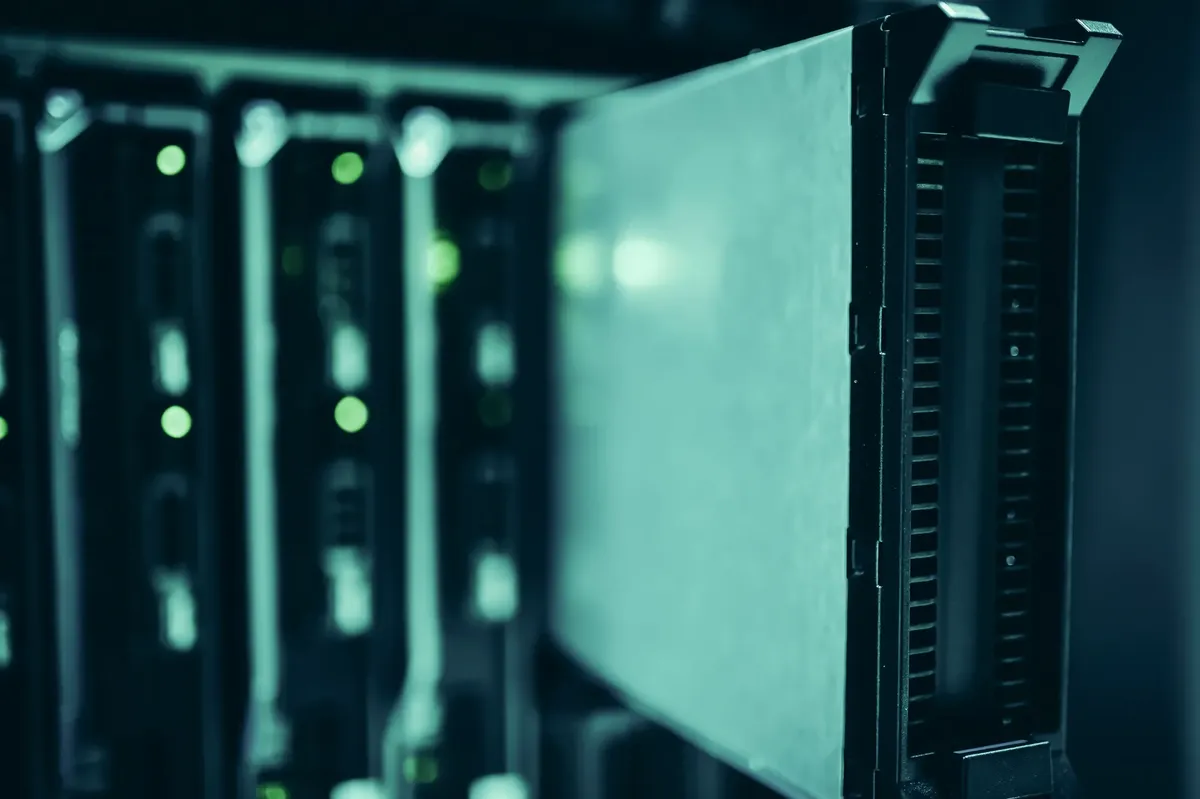
At midnight in the silent server room, I press my fingertips against the cold metal casing while tracing the encryption protocols for our corporate data move.
A technician sits at a desk, carefully mapping data flows between local servers and cloud environments. Ensuring that information remains intact during a transition requires strict adherence to global data management principles.
According to the Data Administration Management Association, the Data Management Association (DAMA), formerly known as the Data Administration Management Association, is a global not-for-profit organization which aims to advance concepts and practices about information management and data management.
The Data Management Association (DAMA), formerly known as the Data Administration Management Association, is a global not-for-profit organization which aims to advance concepts and practices about information management and data management.
Implementing these concepts helps prevent data loss during the migration of sensitive AI models. An efficient AI relocation management strategy relies on these structured frameworks to maintain data lineage.
- Encrypt all sensitive datasets before physical or cloud migration.
- Audit access permissions to ensure only authorized personnel handle the transition.
- Verify data integrity through checksum validation after the move is complete.
What are the standards for managing physical assets in an AI corporate move tech guide?

At dawn in the empty warehouse, I lift the heavy server chassis and feel the smooth texture of the metal while reviewing our corporate asset checklist.
An employee walks through a warehouse, scanning barcodes on specialized hardware intended for recycling or repurposing. During a corporate shift, managing the physical lifecycle of hardware is as critical as managing the digital assets.
Standardization provides a roadmap for handling technical equipment during transitions. For example, there are some ISO standards related to recycling, such as ISO 15270:2008 for plastics waste and ISO 14001:2015 for environmental management control of recycling practice.
Utilizing these standards ensures that hardware turnover meets environmental requirements. A secure corporate transfer involves both digital integrity and the responsible handling of physical infrastructure.
In this sequence, the first step is the most critical.
How do regulatory requirements influence an AI corporate move tech guide?
A compliance officer reviews a stack of legal documents while comparing them to current environmental mandates. Different regions impose specific rules that dictate how materials must be handled during a corporate relocation.

Regulations often target specific materials to ensure environmental safety. In the United States, for example, the Environmental Protection Agency mandates the purchase of oil, paper, tires and building insulation from recycled or re-refined sources whenever possible.
Following these mandates prevents legal friction during asset turnover. A data driven move plan must account for these localized legalities to avoid costly delays.
How do we implement a structured transition plan?
A project manager stands before a whiteboard, sketching out a timeline for a multi-departmental move. To ensure a smooth transition, teams must follow a logical sequence of data and physical asset management.
According to Association (DAMA), the Data Management Association (DAMA), formerly known as the Data Administration Management Association, is a global not-for-profit organization which aims to advance concepts and practices about information management and data management.
- Establish data management protocols using industry-standard frameworks to ensure information integrity. 2. Audit all hardware assets to identify items that meet recycling or repurposing standards. 3. Verify that all disposal and acquisition processes align with local regulatory mandates.
I ensured that every step of the data audit was completed before moving any physical hardware to the new facility. This methodical approach prevents the accidental loss of critical information during the shift.
What are the limitations of current relocation standards?

A technician checks a piece of equipment against a checklist, noting a discrepancy in the model number. While standards provide a foundation, they often address specific subsets of materials rather than total operational workflows.
Limitations arise when specific hardware does not fall under standard recycling categories. For instance, ISO 15270:2008 is specifically for plastics waste. Relying on these specific standards means that other types of technical waste may require different handling procedures.
| Aspect | Focus Area | Primary Goal |
|---|---|---|
| Data Management | Information Integrity | Prevent loss during transfer |
| Asset Recycling | Material Lifecycle | Environmental compliance |
Related
- AI coffee tech strategy shows how mobile tools drive sales
- AI mobility management tech: Guide to 5% retention
How does data lineage support corporate success during a move?
Data lineage supports corporate success by providing a traceable history for all information during the transition. Maintaining this lineage ensures that the provenance of sensitive AI models remains clear when moving between local servers and cloud environments.
This structured framework allows technicians to verify the integrity of data flows throughout the entire corporate transition process.
The implementation of concepts from the Data Management Association helps prevent data loss during the migration of sensitive AI models. This adherence to established data standards is crucial for achieving successful corporate transitions.
What conditions necessitate careful asset handling during corporate transitions?
Conditions requiring careful asset handling include when specific hardware does not fall under standard recycling categories. Relying solely on general standards means other types of technical waste might demand different procedures.
A secure corporate transfer demands attention to both digital integrity and the responsible management of physical infrastructure.
The ISO standards provide a roadmap for handling technical equipment during transitions, but they address only subsets of materials. Therefore, a comprehensive plan must account for these limitations when managing physical assets.
The Data Management Association's principles guide the prevention of data loss, while ISO standards guide environmental compliance for physical assets. This dual focus is necessary for complete corporate success.
Protecting information integrity and ensuring environmental compliance are interconnected necessities during a corporate move.








Comments 0