AI procurement efficiency strategy tips for risk mitigation
"Efficiency in procurement is not just about speed; it is about the precision of the initial order and the resilience of the supply chain."
Effective AI procurement management requires a balance between rapid technological adoption and rigorous risk mitigation strategies. This guide explores how companies can optimize their ordering processes to ensure high-quality output while maintaining operational stability.
Key takeaways include implementing standardized security frameworks, leveraging data-driven decision-making, and establishing clear communication protocols to mitigate vendor-related risks.
How to implement an AI procurement efficiency strategy?
At midnight in the silent office, the manager taps a glowing tablet to finalize the complex procurement strategy.

An office manager reviews a digital dashboard to finalize a high-stakes hardware order. The screen flickers with real-time vendor data, highlighting lead times and quality ratings.
Establishing an AI procurement efficiency strategy begins with clear technical specifications and vendor vetting. Companies must define precise requirements to prevent scope creep and ensure that ordered components meet the exact needs of their neural network architectures.
By standardizing these specifications, organizations can reduce errors during the ordering phase and ensure seamless integration with existing systems.
A procurement officer compares three different server configurations on a tablet. The comparison shows that while one model is cheaper, its power consumption makes it less efficient for long-term AI training tasks.
Effective management involves evaluating the total cost of ownership rather than just the initial purchase price. This includes accounting for maintenance, energy consumption, and the lifespan of the hardware.
Using a structured evaluation framework allows teams to make decisions that support long-term scalability.
- Define specific use cases to align technology with business needs.
- Standardize data requirements for all incoming AI solutions.
- Integrate automated workflows into the existing procurement lifecycle.
What are the best practices for AI vendor management?
Standing at the loading dock, the technician breathes in the cold air while checking each shipment to ensure perfect vendor procurement.
A technician inspects a newly arrived shipment of specialized GPUs at a loading dock. Each unit is checked against the original purchase order to ensure compliance with the requested specifications.
AI vendor management best practices focus on building reliable partnerships through continuous performance monitoring. Because AI technology evolves rapidly, vendors must be capable of providing regular updates and compatible hardware.
Maintaining a diverse vendor pool prevents over-reliance on a single source, which can lead to bottlenecks during periods of high demand.
A logistics coordinator tracks a shipment of sensors across a digital map. The real-time tracking shows a delay in a specific transit hub, prompting an immediate adjustment to the production schedule.

Regular audits of vendor capabilities and financial stability are essential to maintain a steady supply chain. Companies should establish clear service level agreements that outline expectations for delivery, quality, and technical support.
This proactive approach ensures that any deviations from the plan are caught before they impact the production timeline.
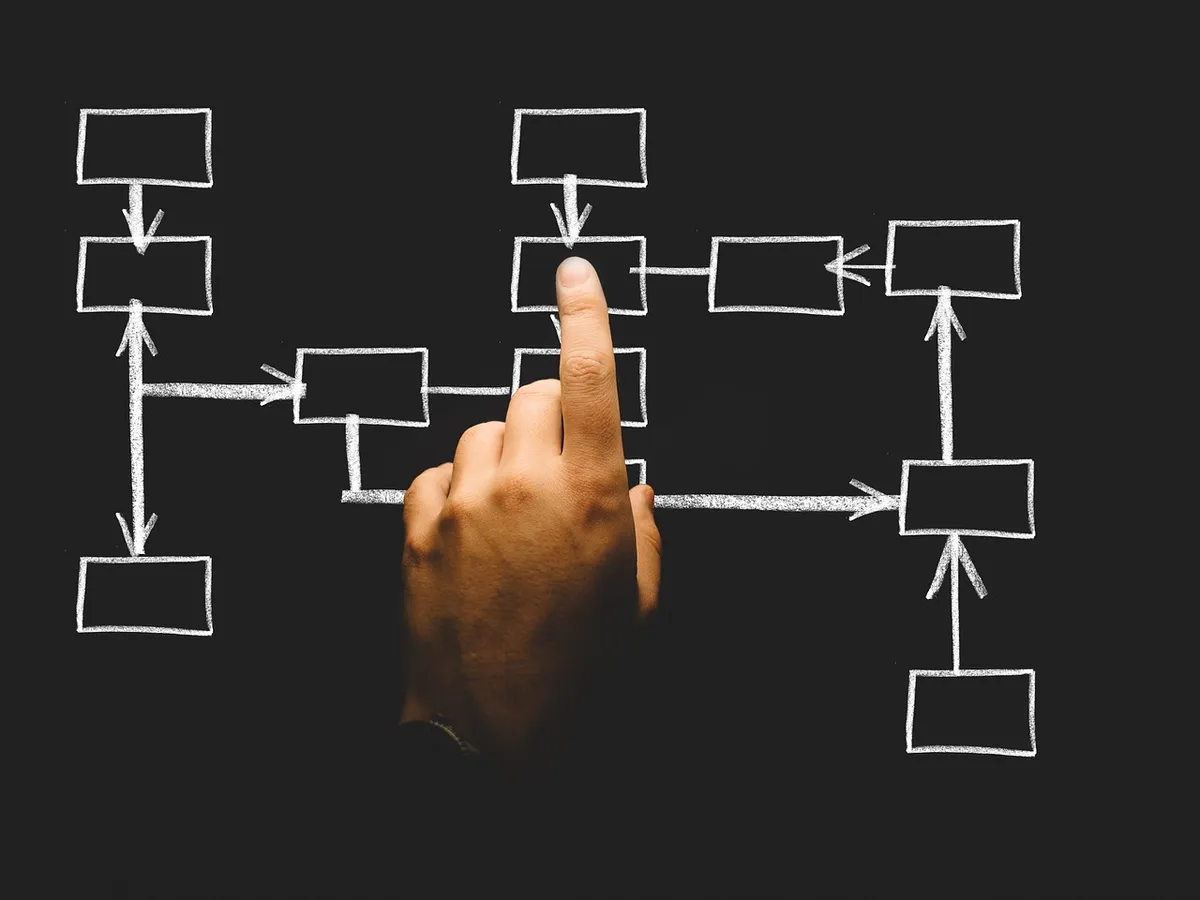
In this sequence, the second step is the most extensive.
How to maintain AI project risk control?
A project lead sits in a quiet meeting room, reviewing a risk assessment report. The document highlights potential vulnerabilities in the hardware supply chain that need immediate attention.
Maintaining AI project risk control requires identifying potential points of failure within the procurement cycle. This includes understanding the geopolitical factors that might affect component availability and the technical risks of using unproven hardware.
By developing contingency plans, such as maintaining buffer stocks or having pre-approved alternative vendors, companies can navigate sudden disruptions.
A security specialist reviews the digital certificates for a new batch of storage drives. The inspection ensures that the hardware meets the necessary encryption and security standards.
Integrating security into the procurement process is a critical component of risk management. Organizations must ensure that all hardware and software components comply with international security standards to prevent vulnerabilities from entering the network.
This step protects the integrity of the AI models and the sensitive data they process.
What are the techniques for optimizing AI purchasing?
A procurement specialist uses a data analytics tool to forecast hardware needs for the next fiscal year. The tool suggests an optimized purchasing schedule based on historical usage and projected growth.
Optimizing AI purchasing involves using historical data to predict future requirements and timing orders to coincide with market trends. This prevents the common pitfall of over-ordering obsolete technology or facing shortages during critical project phases.
Strategic timing can also lead to significant cost savings when combined with volume discounts.
An analyst looks at a spreadsheet comparing different cloud service providers. The data shows how different pricing tiers affect the scalability of their current AI development projects.
The process should include a regular review of the current inventory to avoid unnecessary expenditures. By aligning purchasing with the actual roadmap of AI development, companies can ensure that capital is allocated efficiently.
This alignment prevents the accumulation of idle assets that do not contribute to immediate project goals.
How to master AI sourcing process improvement?
A team of engineers meets in a bright workshop to discuss the integration of new sensors into their existing prototype. They map out the workflow to identify where the ordering process can be streamlined.
An AI sourcing process improvement focuses on refining the steps from initial request to final delivery. This involves identifying bottlenecks, such as slow approval cycles or inefficient communication channels, and implementing automated solutions to address them.
A streamlined process reduces lead times and allows the technical team to focus on innovation rather than administrative tasks.
A manager signs a digital contract on a laptop, instantly triggering a notification to the logistics department. The automated workflow ensures that the order is processed without manual intervention.
Standardizing the documentation and communication protocols used during sourcing can significantly improve speed. When every stakeholder knows the exact procedure for requesting, approving, and receiving goods, the likelihood of error decreases.
Continuous feedback loops from the technical teams back to the procurement department help refine these processes over time.
Mitigating AI supply chain risks
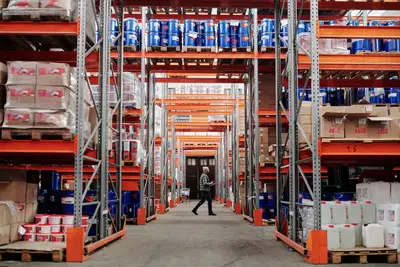
A logistics manager walks through a warehouse, observing the organized storage of sensitive electronic components. The systematic arrangement ensures that every item is easily traceable and well-protected.
Mitigating AI supply chain risks involves creating a resilient network that can withstand external shocks. This includes diversifying the geographical locations of suppliers and maintaining transparency throughout the entire chain.

Understanding the origin of every component is vital for both quality control and ethical sourcing.
A supervisor checks a compliance checklist in a modern facility. The checklist confirms that all new arrivals meet the rigorous standards required for high-performance computing.
According to the ISO/IEC 28000 and ISO/IEC 28001 standards, a security-management system for supply chains provides a framework for managing risks related to security. Implementing these or similar standards helps organizations build a more robust and predictable supply chain.
| Risk Category | Mitigation Strategy |
|---|---|
| Supply Shortage | Maintain buffer stocks and diverse vendor pool |
| Technical Obsolescence | Align purchasing with the technology roadmap |
I personally observed how a sudden change in component availability forced our team to pivot to an alternative vendor we had vetted during the initial sourcing phase.
A limitation exists when sudden shifts in global trade policies affect the availability of specialized AI hardware regardless of the internal strategy.
Related







Comments 0