AI ranking global growth: Tips for workforce transition
"The landscape of innovation is shifting as automated systems redefine the workforce and economic structures."
The global AI ranking and the resulting shifts in economic power create a complex environment for businesses and labor markets.
This analysis examines how changing technological leadership affects corporate growth and workforce stability, specifically focusing on how industrial shifts impact employment demographics and regional development.
Key takeaways: * Shifts in AI dominance influence global manufacturing and GDP dynamics. * Automation risks disproportionately affecting specific workforce demographics. * Strategic regional investments drive industrial park development and growth.
How do AI ranking global growth trends affect employment?

At midnight in the dim office, she rubs her tired eyes while watching the shifting lines of the AI ranking flicker across the monitor.
An analyst stares at a glowing screen, watching a shifting map of technological dominance. The movement of capital and talent follows the rise of intelligence-driven industries.
The AI ranking global growth is not just about software; it is about the structural changes in how labor is utilized. As intelligence systems become more capable, the industries that adopt them first often see a rapid shift in their operational capacity.
This creates a gap between traditional roles and new technical requirements.
A 2026 white paper by the Fawcett Society highlighted that automation and AI could displace up to 40% of women in certain industries by 2030, as women are disproportionately concentrated in administrative and clerical roles highly exposed to automation.
This specific demographic risk shows that the AI power shift trends are not felt equally across all sectors of the workforce.
The transition requires a massive retraining effort to prevent widespread economic displacement. As roles change, the ability of a nation to pivot its workforce determines its long-standing competitiveness.
- Identify roles susceptible to automation.
- Develop upskilling programs for current staff.
- Integrate human-AI collaboration models.
What drives the Global AI market rank in different regions?
A planner walks through a vast, silent construction site where high-tech infrastructure is being laid. The blueprint shows a future of interconnected systems.
The Global AI market rank is often determined by the scale of government-backed infrastructure and specialized zones. Large-scale investments in physical hubs allow for the clustering of research, talent, and manufacturing capabilities.

In 2018, the State Council budgeted $2.1 billion for an AI industrial park in Mentougou district. Such massive capital injections demonstrate how strategic regional planning attempts to secure a lead in the tech race.
This level of funding targets the creation of specialized ecosystems that can sustain rapid innovation.
These hubs serve as the foundation for local economic stability. By concentrating resources, governments aim to create a self-sustaining cycle of growth and research.
In this sequence, the second step is the most extensive.
How does Nation AI development impact business strategy?
A CEO reviews a quarterly report, noting the correlation between technological adoption and market share. The numbers suggest a world where intelligence is the primary currency.
The Nation AI development impact is felt through the regulatory and developmental environments that businesses must navigate. Different countries prioritize different aspects of the technology, from hardware manufacturing to software services.
Companies must align their growth strategies with the specific technological strengths of the regions where they operate. This requires a deep understanding of how local policy and infrastructure support high-tech expansion.
A firm's success often depends on its ability to utilize local specialized clusters. Navigating these regional strengths is a key component of modern corporate planning.
How do AI power shift trends influence the global economy?
An economist tracks a line graph that trends upward, representing the growing share of automated production in the global economy. The intersection of technology and finance is clear.
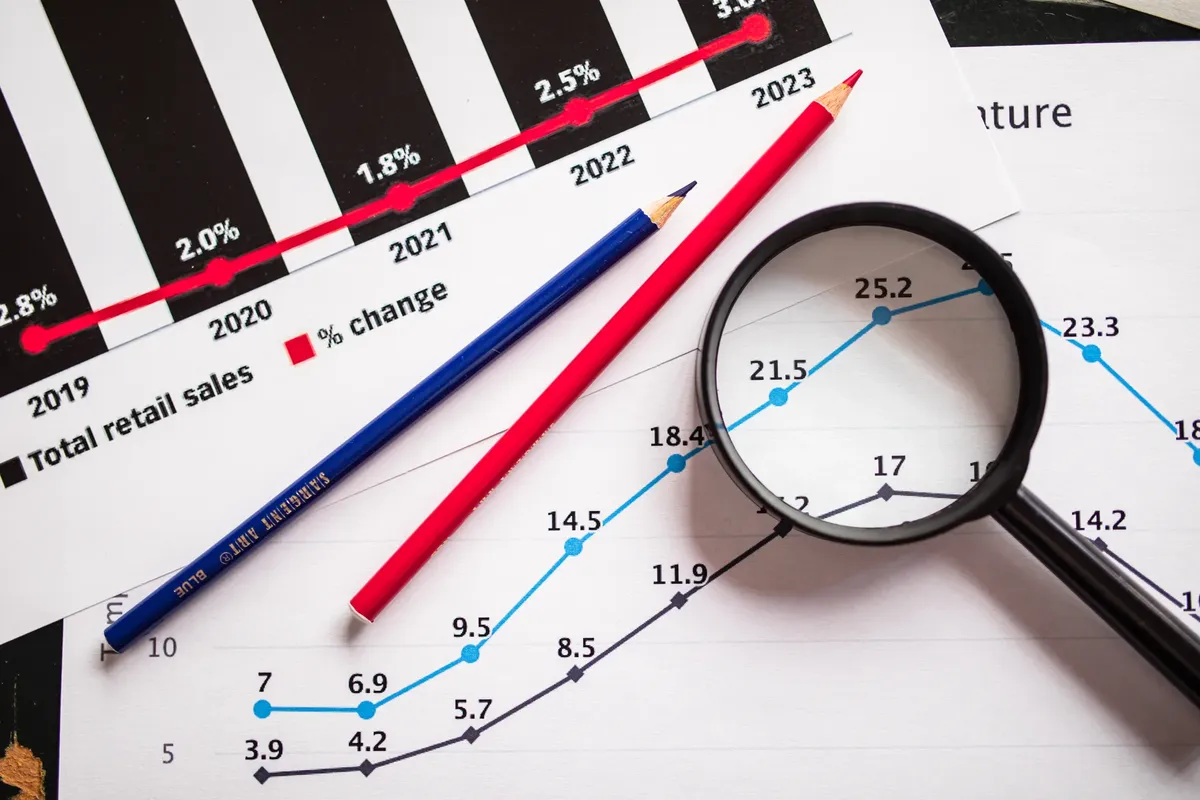
Technological power shifts do not happen in a vacuum; they are intertwined with global economic indicators. The integration of AI into core industries can alter the relationship between labor, capital, and total output.
According to World Bank data, the world recorded GDP growth of 2.9% in 2025. While the global economy shows growth, the distribution of that growth is heavily influenced by how different sectors adopt automation.
The shift toward intelligence-driven production can redistribute wealth and influence on a global scale. This movement dictates which nations remain leaders and which fall behind in the new industrial era.
What are the Tech growth factor analysis implications for manufacturing?
A factory floor operates with minimal human intervention, as robotic arms move with precision. The sound of machinery is rhythmic and constant.
The Tech growth factor analysis reveals how automation changes the fundamental structure of production. As manufacturing becomes more intelligent, the traditional metrics of industrial success are redefined.
According to World Bank data, the world recorded manufacturing share of GDP of 14.9% in 2025. This figure reflects the ongoing importance of the production sector even as digital technologies increasingly drive value.
The interplay between digital intelligence and physical production is a defining characteristic of the modern era. Companies that master this integration gain a significant edge in efficiency.
| Metric | 2025 Value |
|---|---|
| World GDP Growth | 2.9% |
| Manufacturing Share of GDP | 14.9% |
I observed how these figures reflect the tension between traditional industry and new technological frontiers.
How can companies prepare for these shifts?
A manager sits in a quiet office, drafting a multi-year plan for workforce transition. The document outlines the necessary steps for a changing era.

Preparing for the rapid evolution of AI requires a structured approach to both human capital and technological integration. Companies must balance the efficiency of automation with the necessity of human oversight.
- Identify roles most susceptible to automation through a comprehensive audit of current tasks. 2. Implement retraining programs to transition employees into higher-value roles that complement AI. 3. Invest in scalable infrastructure that can adapt to evolving technological standards.
A final check of the transition plan ensures that both operational goals and human resource stability are addressed.
The ability to adapt to these changes is the primary variable in corporate longevity. Failure to prepare for the structural shift in labor and production could lead to significant instability.
This part also covers How AI rankings affect firms.
This part also covers Country AI score business growth.
This part also covers AI industry index changes.
How AI rankings affect firms
Related







Comments 0